
Broadcasting School Career Services: Job Placement Support, Externship Programs, Industry Connections, and Graduate Employment Outcomes
Behind every successful broadcasting career stands a foundation of strategic support and industry connections. The journey from aspiring media professional to established industry talent becomes significantly more achievable with broadcasting training career support that extends beyond the classroom and into your professional life.
Understanding Broadcasting Career Support Foundations
The Radio and TV Broadcasting Training Program at Beonair is designed to equip aspiring media professionals with the technical skills and industry knowledge needed to thrive in today’s dynamic broadcasting landscape. This comprehensive 8-month* program immerses students in hands-on training across various broadcasting disciplines, from on-air performance to behind-the-scenes production, while laying the groundwork for successful career placement through strategic media school industry connections.
As you develop your broadcasting toolkit, you’ll find that the most effective programs combine technical training with robust career services that prepare you for real-world success in the media industry.
Career-Focused Broadcasting Education
The Radio and TV Broadcasting Training Program at Beonair stands out by integrating career preparation directly into its curriculum, ensuring students develop both technical skills and professional readiness through strategic broadcasting school externship programs.
-
- Industry-Active Instructors: Beonair classes are taught by professionals who maintain active careers in broadcasting, providing students with current insights into hiring trends, industry expectations, and emerging opportunities in the field.
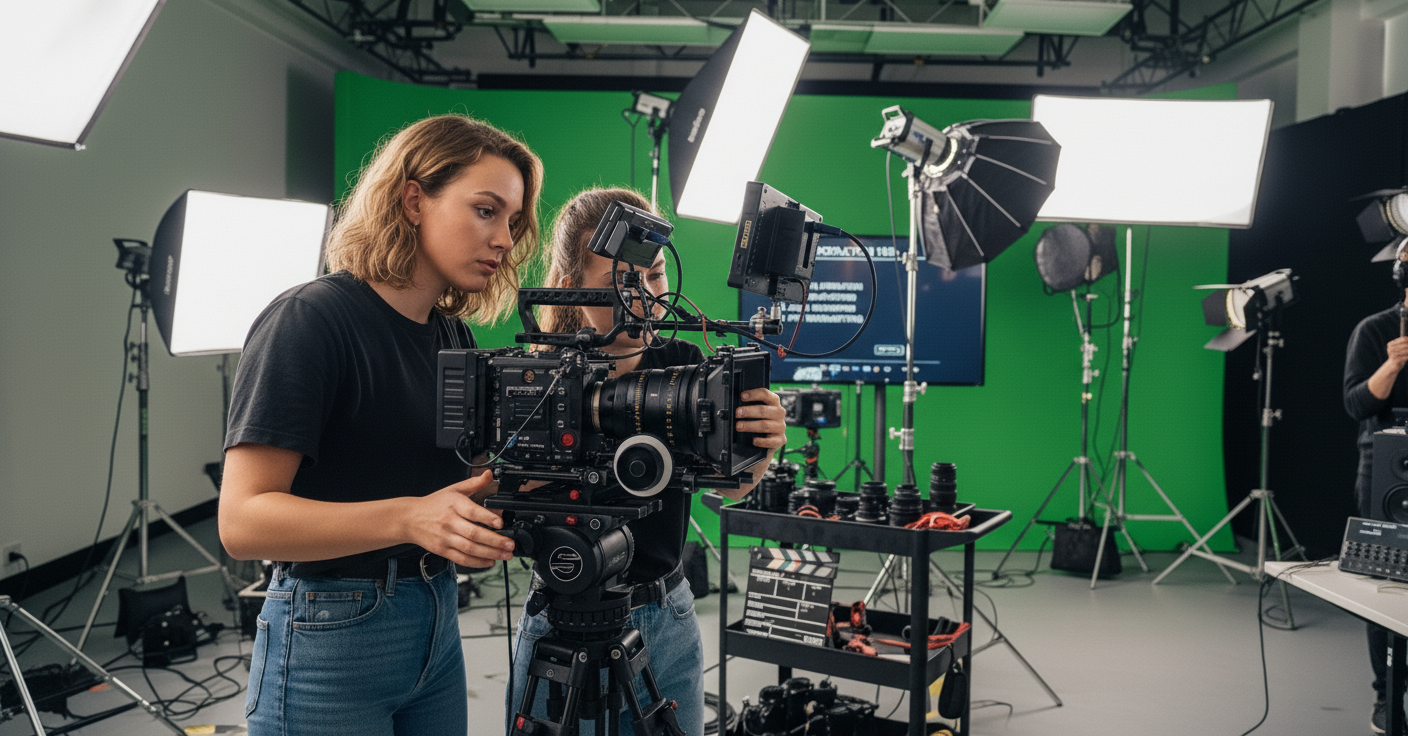
- Simulated Workplace Environments: Students train in authentic broadcast studios equipped with industry-standard technology, allowing them to complete the 8-month* program with practical experience that directly translates to workplace readiness.
- Career-Specific Specialization Options: The Beonair curriculum allows students to focus their studies toward specific career goals such as on-air talent, production, or technical operations, with targeted film school job assistance for each pathway.
As you explore your broadcasting education options, remember that the most valuable programs don’t just teach you skills—they actively position you for career success through strategic employer relationships and placement services.
Broadcasting Employment Landscape and Opportunities
Graduates of the Radio and TV Broadcasting Training Program enter a diverse industry with career paths spanning traditional broadcast media, digital platforms, corporate communications, and entrepreneurial ventures.
-
- Traditional Media Outlets: Many graduates find opportunities with local and regional radio stations, television networks, and production companies, where entry-level positions offer valuable industry experience and advancement potential.
- Digital Media Organizations: The expanding digital landscape has created demand for broadcasting professionals in streaming services, podcast networks, and online content platforms that value formal training combined with innovative approaches.
- Corporate Media Departments: Broadcasting graduates increasingly find opportunities in corporate settings, where companies maintain in-house production teams for training videos, marketing content, internal communications, and branded media.
Many graduates enhance their credentials with specialized certifications in areas like audio engineering or digital editing, creating pathways to advance into specialized roles with higher compensation. The versatility of broadcasting training career support makes this career field particularly appealing for those seeking creative work with tangible impact.
Why Broadcasting Careers Continue to Attract Talent
The enduring appeal of broadcasting careers stems from their unique combination of creative fulfillment, technological engagement, and community impact—enhanced by quality media school career services.
-
- Creative Expression with Purpose: Broadcasting roles satisfy the desire for creative work that reaches and influences audiences, allowing professionals to apply their talents toward meaningful communication that informs, entertains, and connects communities.
- Evolving Technology and Skills: The field continuously adopts new technologies and platforms, making it ideal for those who enjoy learning and adapting in dynamic environments while building on foundational broadcasting principles.
- Diverse Entry Points: The broadcasting industry offers multiple pathways to entry with varying educational requirements, making it accessible to career-changers, young adults beginning their professional journeys, and those seeking alternatives to traditional four-year degrees.
As noted by the National Association of Colleges and Employers, “Building community and belonging with group coaching prepares students for the world of work they’ll be joining,”(1) which is particularly relevant in collaborative broadcasting environments where teamwork drives success.
Whether you’re just starting your career journey or looking to pivot into broadcasting, understanding the key elements of successful broadcasting school job placement will maximize your opportunities in this dynamic field.
Essential Broadcasting Career Preparation Takeaways
As you consider your path into broadcasting, keep these critical success factors in mind to maximize your career potential and broadcasting school job placement opportunities.
-
- Select programs with documented job placement success that demonstrate strong media school industry connections and a track record of graduate employment in broadcasting roles.
- Prioritize hands-on technical training combined with professional skills development, including portfolio building, networking, and interviewing specifically for media positions.
- Seek schools that offer ongoing career support beyond graduation, including alumni networks, job posting services, and continuing education opportunities as the broadcasting landscape evolves.
Your broadcasting career journey begins with finding the right educational partner who will not only teach you skills but actively support your transition into the professional world through dedicated media school career services.
Begin Your Broadcasting Career Journey Today
Take the first step toward a fulfilling broadcasting career by exploring how Beonair’s Radio and TV Broadcasting Training Program combines industry-relevant education with personalized career services designed to launch graduates into the media positions they’ve always dreamed about.
Footnotes
[1] https://www.naceweb.org/career-development/best-practices/
*Program length when completed in normal time.