
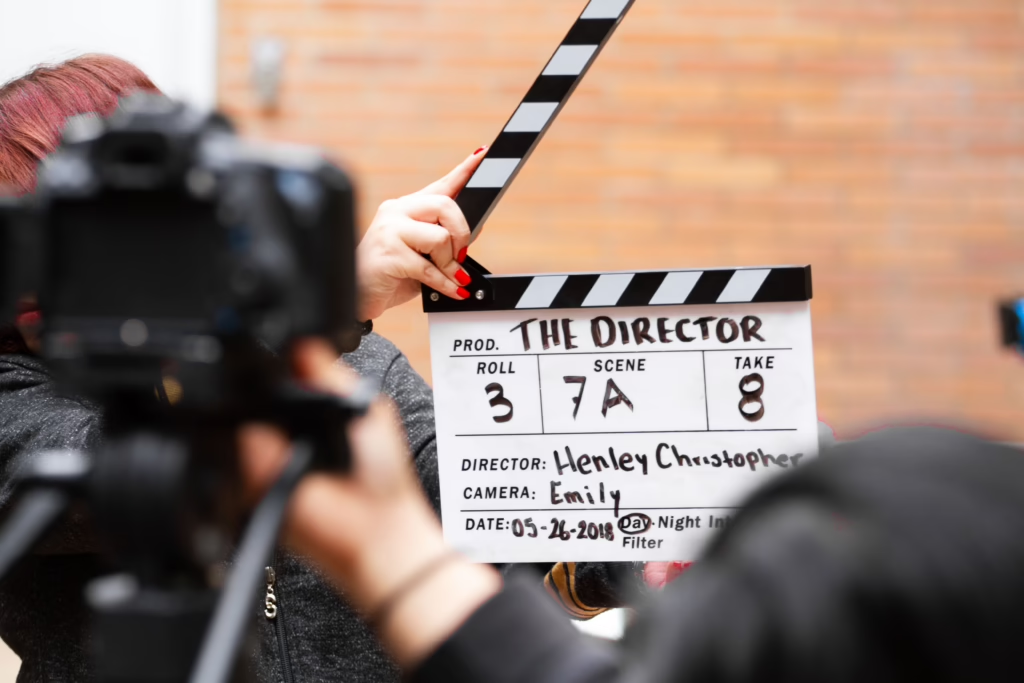
If you love film and want to know where the strongest earning opportunities are, the highest-paying jobs in film production often combine creative judgment, technical expertise, leadership, or business responsibility. How much you earn depends on more than a job title. Experience, location, union status, production budget, project type, and how consistently you work can all influence your income. Below, we look at some of the better-paying careers in film, including film producer, film director, camera, editing, art direction, visual effects, and writing roles. We also explain what affects pay and how you can start building the skills these careers require.
What You Should Know Before You Start
Does joining a union make a difference in film production pay?
- Groups like the Directors Guild of America and the Motion Picture Editors Guild set minimum rates on the productions they cover
- Non-union and independent projects can still pay well, but rates and protections vary more from job to job
- Most people build experience on non-union sets before they qualify for union work
Should you specialize in one role or stay flexible early on?
- Focusing on one department, like editing or camera work, helps you build a reel that speaks to that role
- Staying flexible across production assistant and post-production work early on builds broader connections
- Most people narrow their focus once they know which department fits them best
How much does the type of production affect your paycheck?
- A feature film, a TV series, a commercial, and a music video can pay the same role very differently
- Commercials and music videos move fast, with tighter schedules than a television season
- Television staff positions can offer steadier pay and an easier work-life balance than one-off projects
Table of Contents
- What Are the Highest-Paying Jobs in Film Production?
- What Determines Film Production Pay?
- Art Direction and Visual Effects
- Film Producer Salary: What Are Producers Paid to Do?
- Film Director Salary: How Much Do Directors Earn?
- Camera Careers: Building the Image
- Film Editor Salary: Where the Story Changes Again
- Writing, Sound, and Other Film Careers
- How Do You Build Toward Better-Paid Film Work?
- Frequently Asked Questions
What Are the Highest-Paying Jobs in Film Production?
Based on U.S. Bureau of Labor Statistics occupational data, some of the higher-paying careers relevant to film production include art direction, special effects and animation, producing and directing, writing, editing, and camera work.
| Film Career | U.S. Median Pay |
|---|---|
| Art directors | $114,850 |
| Special effects artists and animators | $102,030 |
| Producers and directors | $90,360 |
| Writers and authors | $76,910 |
| Film and video editors | $75,420 |
| Camera operators, television, video, and film | $74,990 |
These BLS categories are broader than film alone, so the figures should be treated as career benchmarks rather than guaranteed film-production salaries.
Within motion picture and video industries specifically, BLS reports median annual pay of $142,570 for art directors, $100,990 for special effects artists and animators, $105,300 for producers and directors, and $93,940 for camera operators and $79,570 for film and video editors.
What Determines Film Production Pay?
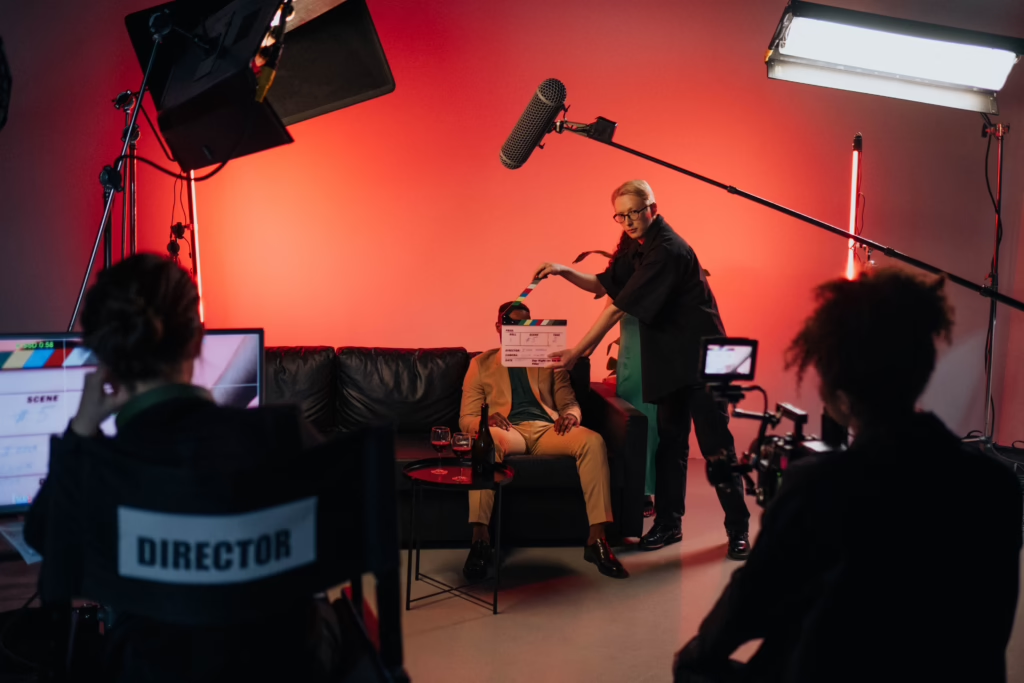
Two people with the same job title can earn very different amounts. Several factors influence film-production pay:
- Experience: Entry-level crew members generally earn less than experienced professionals with established credits, specialist skills, and industry relationships.
- Budget and project type: A small music video, independent film, commercial, and major television production can have very different production budgets and rates.
- Union status: Union agreements may set minimum rates, overtime rules, hours, and working conditions. The Directors Guild of America publishes rates for covered director and production roles, while the Motion Picture Editors Guild provides wage information for covered editors and post-production positions.
- Location: Production markets vary considerably. The Motion Picture Association tracks how film and television production incentives can influence where work takes place.
- Employment structure: Freelance and project-based work is common in the film industry, so annual income also depends on how consistently you are booked.
A high day or weekly rate does not automatically translate into a high annual income if there are long gaps between projects.
Art Direction and Visual Effects
Art direction and visual effects are two creative areas with strong earning potential.
Art directors help shape the visual style of movies, television, advertising, and other productions. In film, that can mean working closely with production designers and art departments to create a cohesive visual world across sets, locations, props, and design elements.
Special effects artists and animators create visual effects and moving imagery for film, television, games, and other media.
Both career paths combine creative ability with technical expertise. A strong portfolio, practical experience, and the ability to collaborate with other departments can be particularly important when trying to move into higher-level roles.
Film Producer Salary: What Are Producers Paid to Do?

A film producer works where creative planning meets the business of getting a project made.
Producers may raise money, manage budgets, hire talent, coordinate services, work with scripts, solve production problems, and help keep the project moving from development through post-production.
The U.S. Bureau of Labor Statistics reports a median annual wage of $90,360 for producers and directors combined. The top 10% earned more than $198,540, while the median within motion picture and video industries was $105,300.
These figures are not producer-only salaries. Film producer salary varies according to the project, financing structure, experience, employer, and whether compensation is salaried or project-based. Some senior producers may also negotiate bonuses, backend participation, or profit-sharing.
Film Director Salary: How Much Do Directors Earn?
A director turns a script into scenes, working with actors, camera, sound, production design, editors, and producers to shape the finished project.
BLS does not publish a separate Occupational Outlook Handbook median specifically for film directors. Directors are grouped with producers, which means the $90,360 median annual wage is a combined figure rather than a director-only salary.
Actual film director salary can vary significantly depending on the size of the production, experience, union status, reputation, and contract structure.
For aspiring directors, understanding what each department contributes can be just as important as developing your creative vision.
Camera Careers: Building the Image
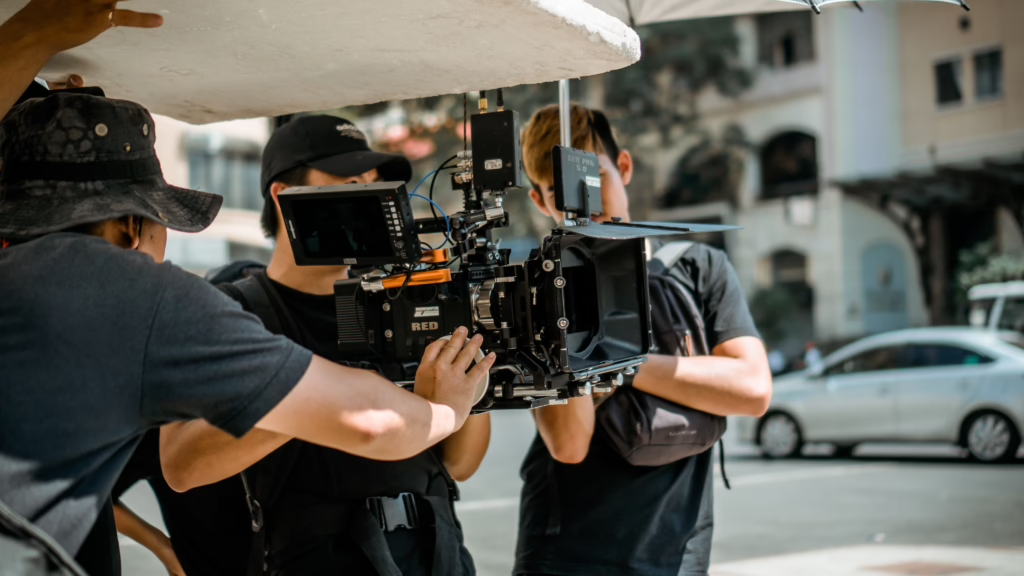
Camera careers combine technical knowledge with visual storytelling.
A director of photography leads the visual approach to a production, while camera operators execute framing, movement, and shots in collaboration with the cinematographer and director.
BLS reports a median annual wage of $74,990 for television, video, and film camera operators. In motion picture and video industries, the median was $93,940. BLS camera and editor data also shows how earnings differ across industries.
Camera careers may begin with assistant positions before progressing into operating and cinematography. Along the way, you build skills in lenses, exposure, lighting, composition, camera movement, and working with other departments.
Film Editor Salary: Where the Story Changes Again
Editors take the footage captured during production and shape it into the finished story.
They make decisions about pacing, performances, continuity, music, sound, and emotional rhythm.
BLS reports a $75,420 median annual wage for film and video editors.
Many editors begin in assistant or other post-production roles before progressing into film, television, trailers, branded content, and music videos. PayScale’s post-production assistant data can help illustrate how starting pay may differ from a senior film editor’s salary.
Writing, Sound, and Other Film Careers
Film production relies on far more than producers, directors, editors, and camera crews.
Writers, sound professionals, production managers, coordinators, production designers, art teams, and many other specialists contribute to the finished project.
BLS tracks screenwriters within its broader writers and authors category, which had a median annual wage of $76,910. That is not a screenwriter-specific salary, but it provides useful context for professional writing careers.
The highest median salary does not automatically make a role the best career for you. Your interests, strengths, preferred working environment, and willingness to develop specialized skills matter too.
How Do You Build Toward Better-Paid Film Work?
You do not need to know your final job title on day one. Focus first on developing practical skills and becoming someone people want to work with again.
- Learn how production works: Understand pre-production, production, and post-production.
- Get hands-on experience: Work with cameras, editing software, sound, lighting, scripts, and real production workflows.
- Build a portfolio or reel: In many creative roles, strong examples of your work can be particularly persuasive.
- Ask for feedback: Experienced professionals can help you identify where your work needs to improve.
- Build professional relationships: ProductionHub’s networking tips explain why industry connections matter, but reliability is what helps turn a connection into repeat work.
- Use smaller projects strategically: Student films, short films, and music videos can give you practical experience and portfolio material.
Our article on whether video production is a good career can also help if you are still deciding which direction fits you.
Through our BeOnAir Film & Video Production program, you can build hands-on experience across planning, production, camera, lighting, sound, editing, and post-production.
You can also learn more about BeOnAir, explore our campus locations, or review financial aid options as you consider your next step.
Find the Film Career You Want to Build
A high salary may get your attention, but it should not be the only reason you choose a career. The strongest path is one where you are interested enough in the work to keep developing your skills, building experience, and taking on greater responsibility over time.
If you are ready to develop practical skills, book a campus tour to see our studios, contact our admissions team with questions, or apply to BeOnAir when you are ready to start.
Frequently Asked Questions
Can you earn six figures working in the film industry?
Yes, some film-industry professionals can earn six figures, particularly in senior creative, leadership, and technical roles. For example, BLS reports national median annual wages above $100,000 for art directors and special effects artists and animators. Individual earnings still depend on experience, location, project type, and how consistently you work.
Do film production jobs pay a salary or per project?
Both models are common. Some people work in salaried studio, production-company, television, or post-production roles, while many others are freelance and paid by the day, week, or project. Project-based work can offer strong rates, but there may also be unpaid gaps between jobs.
Which film careers offer a good combination of pay and stability?
There is no single answer because stability depends on the employer and type of work. Some professionals prefer studio-based editing, animation, writing, or staff production roles because schedules and income may be more predictable than freelance set work. Others prefer project-based careers despite the gaps because they value variety and flexibility.
Can working on music videos help you build a film career?
Yes. Music videos can give you practical experience in directing, cinematography, lighting, editing, sound, and production design. Smaller or even unpaid projects can sometimes be helpful early in your career if they give you access to strong portfolio material, experienced collaborators, or new skills.
Do you need a degree for high-paying film production jobs?
Requirements vary by career and employer. BLS lists a bachelor’s degree as typical entry-level education for several film-related occupations, but creative industries also place significant value on practical ability, experience, credits, and a strong portfolio or demo reel. Formal education can give you structured training, but it works best alongside opportunities to practice the job itself.