
When you think about a career in radio and TV broadcasting, being a radio host or television presenter may be the first job that comes to mind. But the skills you develop in a Radio & TV Broadcasting program can also lead to careers in production, digital media, live events, podcasting, and corporate content. Learning how to write, operate professional tools and technology, interview, edit audio, work with a camera, and perform on air gives you options on both sides of the microphone. Here are five career paths worth exploring if you want to turn your interest in broadcasting into professional media work.
What You Should Know Before You Start
Do you need a four-year college degree to work in radio or TV?
Requirements vary by employer and career path. Some media jobs call for a degree, while others place significant focus on hands-on skills, technical knowledge, experience, and a strong demo reel. A focused training program can help you build practical work that shows employers what you can do.
Should you specialize early?
Not necessarily. Modern media professionals often wear many hats, especially in smaller radio stations, production companies, and digital teams. Learning writing, audio, camera, editing, production, and digital platforms can help you discover where your strongest talents and interests lie before you narrow your focus.
Is broadcasting only about traditional radio and television?
No. Broadcast skills now cross into podcasting, streaming, social media, live production, corporate video, sports, film, and branded content. Understanding traditional radio and television can give you a foundation that transfers across an increasingly digital media world.
Table of Contents
- Radio Producer: Build the Show Before It Goes Live
- Camera Operator: Decide What the Audience Sees
- Digital Content Producer: Create for Podcasts, YouTube, and Social Media
- Live Event Technical Director: Run the Show in Real Time
- Corporate Communications Producer: Take Media Skills Into Business
- Build the Skills Before You Choose the Job Title
- Frequently Asked Questions About Radio and TV Broadcasting Careers
1. Radio Producer: Build the Show Before It Goes Live
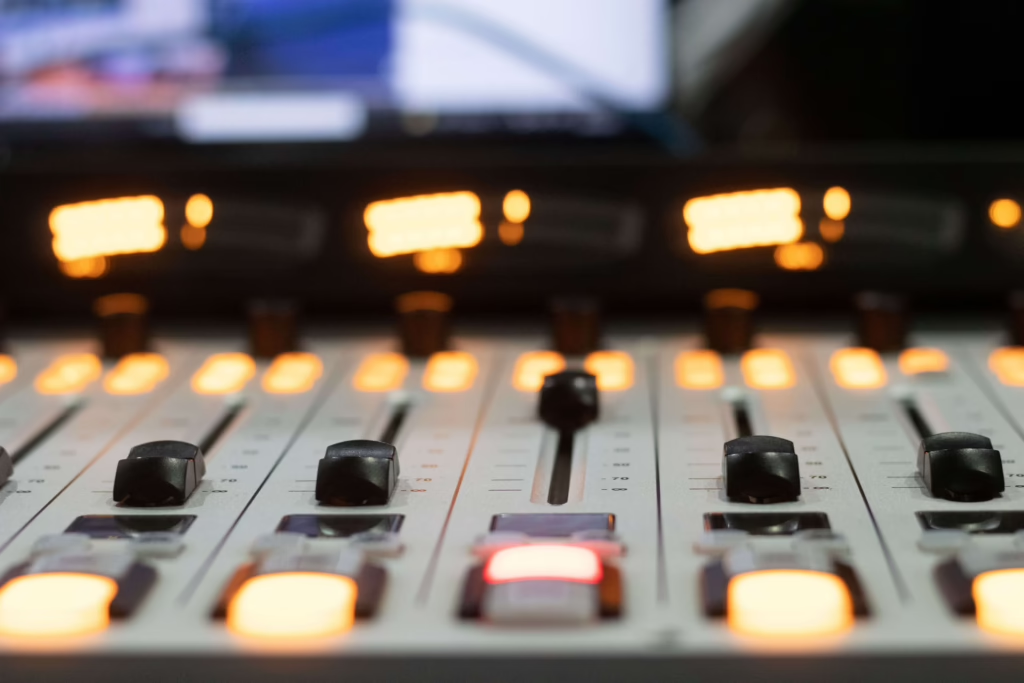
A good radio show does not begin when the host switches on the microphone.
The radio producer helps shape what listeners eventually hear. Depending on the station or program, that can mean:
- Researching stories, guests, and ideas.
- Verifying information before it goes on air.
- Planning segments and writing scripts.
- Preparing audio clips and sound.
- Coordinating interviews.
- Keeping a live show moving on time.
- Working with hosts, sponsors, sales teams, and other producers.
This can be a strong career path if you love radio but prefer creating the show rather than being its main voice.
Producers also need to think quickly. A guest can cancel, breaking news can change the rundown, or a segment can run longer than planned. Understanding the studio, board, audio, programming tools, and station format helps you respond in a fast-paced environment without losing the entire broadcast.
Those same production skills can transfer into podcasting, digital audio, online radio, and other media platforms.
2. Camera Operator: Decide What the Audience Sees
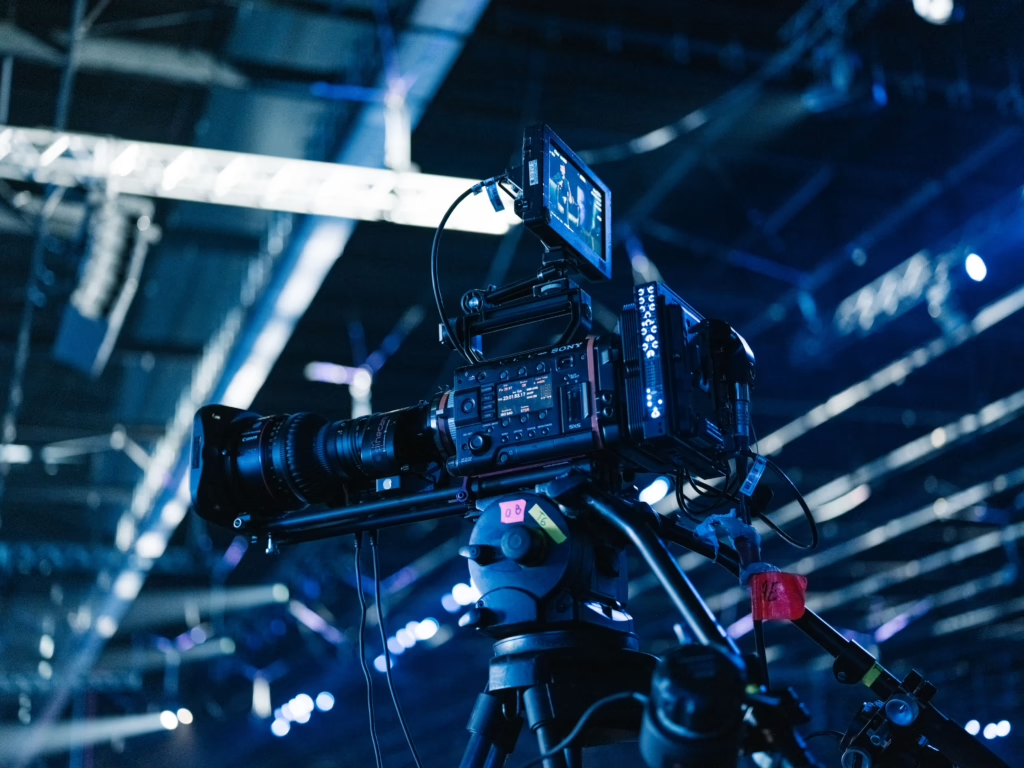
If you are drawn to the visual side of TV and television production, camera operation puts you close to the action.
Camera operators may work on interviews, live broadcasts, studio programs, sports, film, corporate productions, and digital video. The job can include:
- Framing scenes.
- Following live action.
- Working with lenses and camera movement.
- Responding to cues from a director.
- Adjusting quickly during live production.
- Using lighting and composition techniques to create the right picture.
During a live broadcast, you may not get another take. Success requires focus, technical ability, and an understanding of what the director needs before your camera goes live.
According to the U.S. Bureau of Labor Statistics, television, video, and film camera operators earned a median annual wage of $74,990. Employment for camera operators specifically is projected to grow 1% from 2025 to 2035, while combined employment for film/video editors and camera operators is projected to grow 3%.
Camera knowledge also transfers well across television, film, digital media, sports, events, branded content, and online video.
3. Digital Content Producer: Create for Podcasts, YouTube, and Social Media
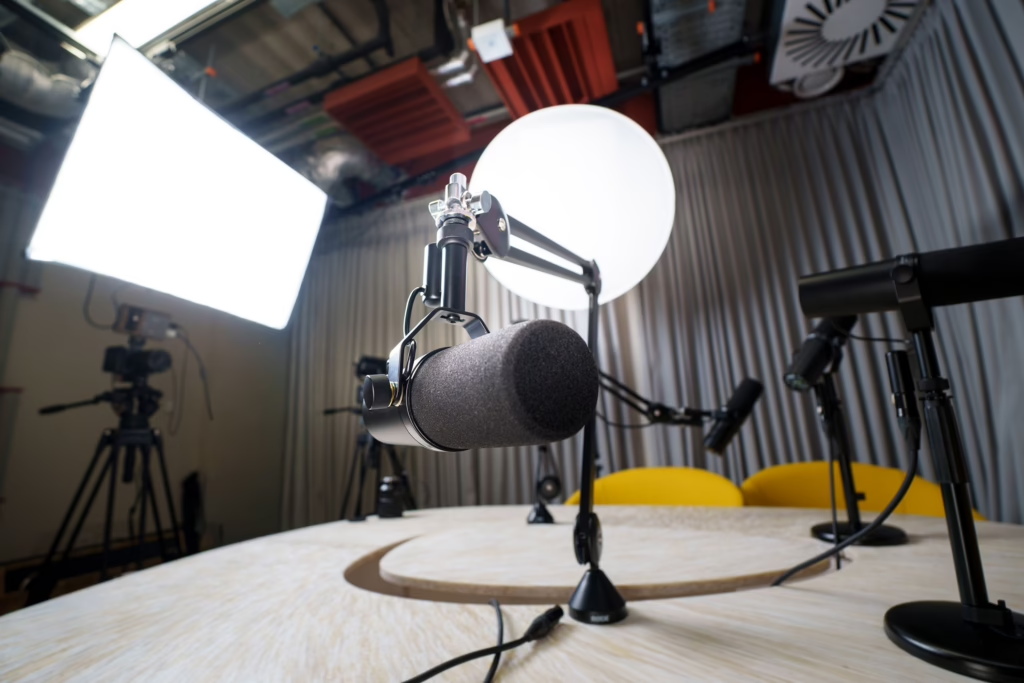
One of the biggest changes in broadcasting is that content no longer ends when a radio or TV program goes off the air.
A digital content producer takes storytelling and production skills onto podcasts, websites, YouTube, social media, streaming services, and other digital platforms.
The work can include recording podcast episodes, shooting video, editing longer interviews into social clips, creating graphics, managing a content calendar, and using audience data to understand what people want to watch or hear.
This role can suit a person who enjoys wearing many hats. You may use writing, camera, audio, editing, social media, and audience development skills in the same week.
Our Digital Media Production program focuses on creating multiplatform content and building a portfolio through hands-on work. You can also explore five different digital content creation jobs to see where those skills can lead.
For future students, the important shift is simple: broadcasting skills are increasingly digital media skills.
4. Live Event Technical Director: Run the Show in Real Time
Think about a concert, conference, awards show, sports presentation, or livestream.
Someone is responsible for making sure microphones work, cameras capture the right images, videos play at the right moments, and the production reaches its audience.
A technical director or live production professional may work with audio systems, cameras, video switching, lighting, playback, livestreaming, screens, and production crews across a venue.
This is another fast-paced environment where technical skills matter. You need to listen to cues, understand the tools, communicate clearly, and remain calm when technology or a production plan changes seconds before going live.
Audio knowledge can be especially valuable. Our BeOnAir Audio Production program includes hands-on work with recording, mixing, consoles, and equipment, as well as live audio applications.
If you enjoy the energy of broadcasting but do not necessarily want to work for traditional radio stations or a television company, live events can give those skills a very different home.
5. Corporate Communications Producer: Take Media Skills Into Business
Not every person creating professional video or audio works for a traditional media company.
Businesses, colleges, nonprofits, healthcare organizations, government services, and other employers need people who can turn information into content their audiences and employees can understand.
A corporate communications or in-house media producer might create employee videos, executive interviews, training content, livestreamed events, customer stories, podcasts, social media videos, and sales or marketing content.
The same writing, interview, camera, audio, production, and editing skills used in broadcasting can therefore create opportunities in a completely different industry.
If the business side of media interests you, our guide to media sales explores another career that connects broadcasting skills with companies and clients.
There is no single BLS category for “corporate media producer,” but public relations specialists offer one useful comparison for the wider communications market. The Bureau of Labor Statistics reports a median annual wage of $74,750.
Build the Skills Before You Choose the Job Title
You do not need to choose one of these five careers today.
Your first step is building enough practical experience to understand what different jobs actually involve.
Through our BeOnAir Radio & TV Broadcasting program, you will train in studio environments and develop skills in writing, on-air performance, radio and television production, video production, audio, digital editing, equipment operation, and control-room procedures. The curriculum also includes career-readiness training and opportunities to create demo materials designed to help prepare students for the job market.
BeOnAir also offers specialized programs in Audio Production and Digital Media Production if your interests become more focused.
You can explore our campus locations or read about career services, externships, industry connections, and graduate outcomes to better understand how training can connect with your next step.
Which Career Path Sounds Most Like You?
You may start out wanting to host a radio show and discover that you prefer producing it. You may walk into a TV studio and find your place behind a camera, in the control room, working with sound, or creating digital content.
The benefit of learning the broader production process is that you can develop your craft before locking yourself into a single job title.
Book a campus tour to see the studios for yourself, contact our admissions team to discuss your interests, or apply now when you are ready to start building the knowledge and skills for your future media career.
Frequently Asked Questions About Radio and TV Broadcasting Careers
Do I need to know which broadcasting career I want before I start training?
No. Building experience across radio, television, audio, video, production, writing, and digital media can help you understand which part of the industry suits your interests and abilities. A broad foundation can also give you more flexibility as technology and the job market change.
Is radio and TV broadcasting only for people who want to be on air?
Not at all. Producers, camera operators, production assistants, technicians, editors, digital content creators, directors, and live-event professionals all work behind the scenes. Many broadcasting jobs never require you to appear on camera or become the main voice on air.
Can broadcasting skills be used outside radio stations and TV networks?
Yes. Companies, sports organizations, events, nonprofits, government offices, colleges, and other employers need professionals who can create video, audio, livestreams, interviews, podcasts, and digital media. Those skills can lead to jobs far beyond traditional radio stations and television networks.
What is a good entry-level job in broadcasting?
Production assistants, board operators, camera assistants, and junior production roles can all provide useful experience depending on your career focus. Our guide to breaking into the media industry offers practical ways to take the first step and begin working toward professional media employment.
How can I prepare for media jobs before I start working professionally?
Practice using the same techniques and tools you will need on the job. Record interviews, create audio and video projects, learn how a camera and sound equipment work, develop your voice, and build examples that show your abilities. Our BeOnAir programs use hands-on studio training to prepare students with practical skills and a stronger understanding of the production process before they pursue entry-level opportunities.