
Subtotal:
$0.00
Cleveland Campus
(216) 242-4342Cincinnati Campus
(513) 813-4962Columbus Campus
(614) 423-4945Miami Media School
(786) 581-8552Colorado Media School
(720) 897-7528O'Hare Campus
(630) 796-4651Chicago Campus
(312) 884-8000Is Broadcast Media Career Training Right for You?
Take The Free Quiz!
Careers in Broadcasting
As new horizons are explored and conquered, the opportunities for trained broadcasting professionals keep expanding. Staff announcers, newscasters, sportscasters, DJ’s, VJ’s, writers, directors, and producers – all are needed to staff our expanding industry. Our broadcasting school continues to place our graduates in hundreds of new traditional and non-traditional jobs thanks to the in-depth and hands-on technical training we provide during our multimedia programs.
Interesting, fascinating jobs in broadcasting that were unheard of five or six years ago are today providing exciting and meaningful careers to trained broadcasting professionals. The future belongs to those who prepare now for its challenges.
Broadcasting
Broadcasting has been an ever growing industry full of a spectrum of different jobs to fit many different people and what they may be looking for in a career. With a constantly expanding industry, the need for educated professionals is never-ending. Be On Air still continues to place graduating students in numerous traditional as well as unconventionals jobs to begin their new careers through thorough and hands-on training provided through our classes.
Television
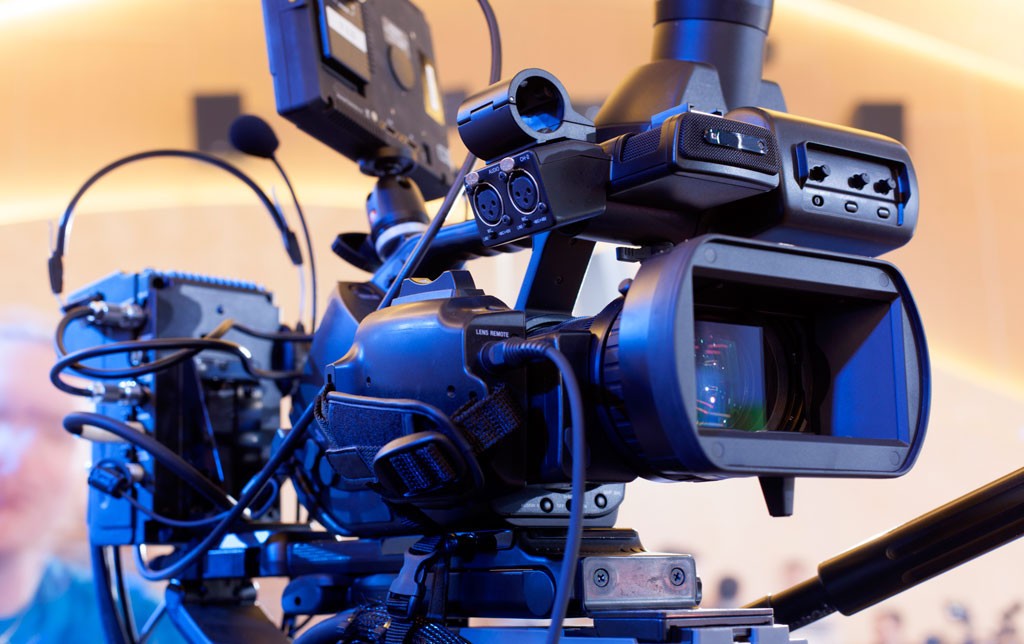
In the television industry, there are a wealth of positions to consider based on the kind of work you prefer. For those with a knack for being center stage and reporting, being an announcer or news anchor would be great options. Many stations are always in need of those wanting to work behind the camera as well, perfect for those interested in technical or camera work.
Production
Positions in production are also great for those with a love for detail and helping put together the finished product. Jobs in production often include, but aren’t limited to, sound technician, production assistant, video editor, technical director, web media producer, or digital content editor.
Radio
Radio Stations are another way to entertain, stations always needing hosts with new ideas and interesting personalities to bring something different to the audience, voice over talent, announcing, and podcast hosting are other similar careers needed in the field. Likewise, there are also great technical careers such as Radio Board Operation which can be involved with various different skills.
Emerging Media
Amazing for those interested in learning more and becoming a professional in the always innovative field of emerging media. Emerging media in general deals with communications of most types and is based on digital technologies, with increasing interactive components coming into play yearly. Emerging technologies like: IE: artificial intelligence (AI), virtual reality (VR), augmented reality (AR) are starting to come forward in media. This field is for those with innovative ideas behind bringing more to the public.
Sports Broadcaster
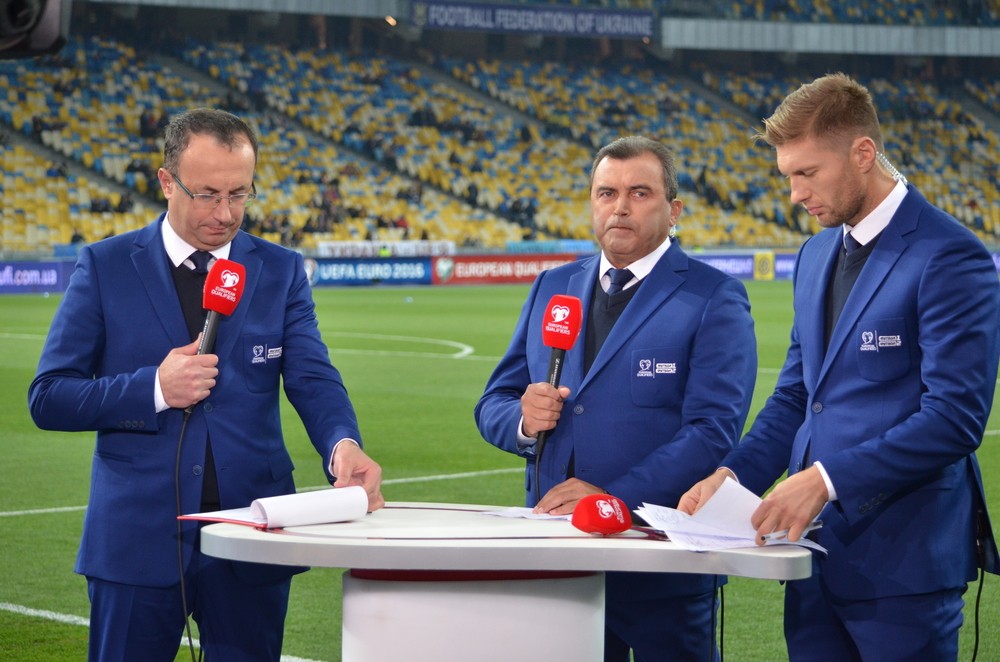
Sports are an incredibly important aspect to American society and is always looking for passionate applicants who not only enjoy sports but also entertaining those who watch by creating intrigue and interest around a game or event. Despite hosting or announcing, there are also opportunities as a high-light editor or other more technically involved careers like being a sports videographer.

 .
.


Job Placement Assistance – Get the Career You Want!
We are the Ohio, Illinois, Colorado or Miami media Schools and we are dedicated to making sure you earn a degree in your chosen field and delivering a valuable education to begin a new career, but also help you understand what is available to you for a career in all areas of Broadcasting.
There is a vast variety of information available on our page about jobs in different and specific broadcasting fields, feel free to search around discover more about the potentials of having a fulfilling career in broadcasting no matter what your interest